Symbiosis School of Culinary Arts: Courses, Eligibility, Admission and Career Opportunities
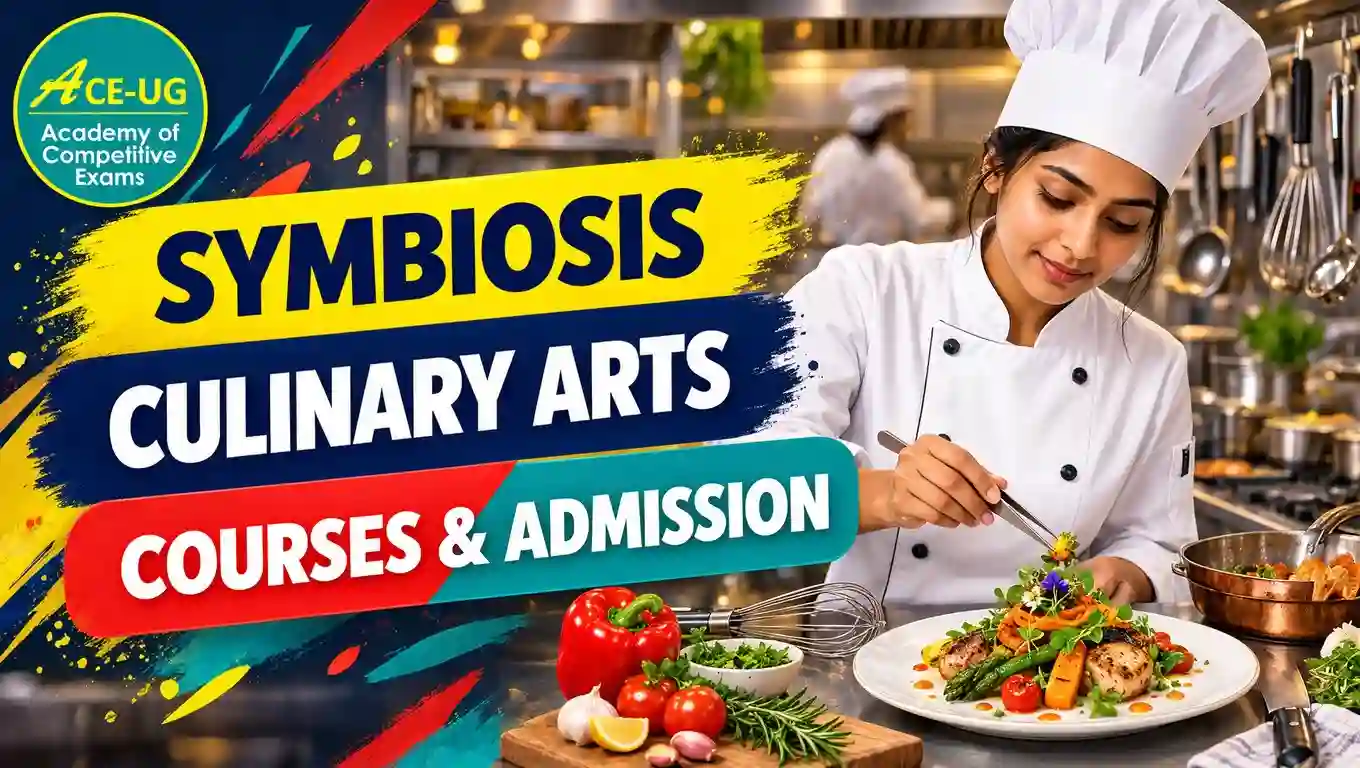
For students who are passionate about cooking, food innovation and the hospitality industry, choosing the right culinary institute is an important step towards building a professional career. Symbiosis School of Culinary Arts and Nutritional Sciences (SSCANS), located in Pune, Maharashtra, offers specialised programmes for students interested in culinary arts, hospitality, nutrition and related fields.
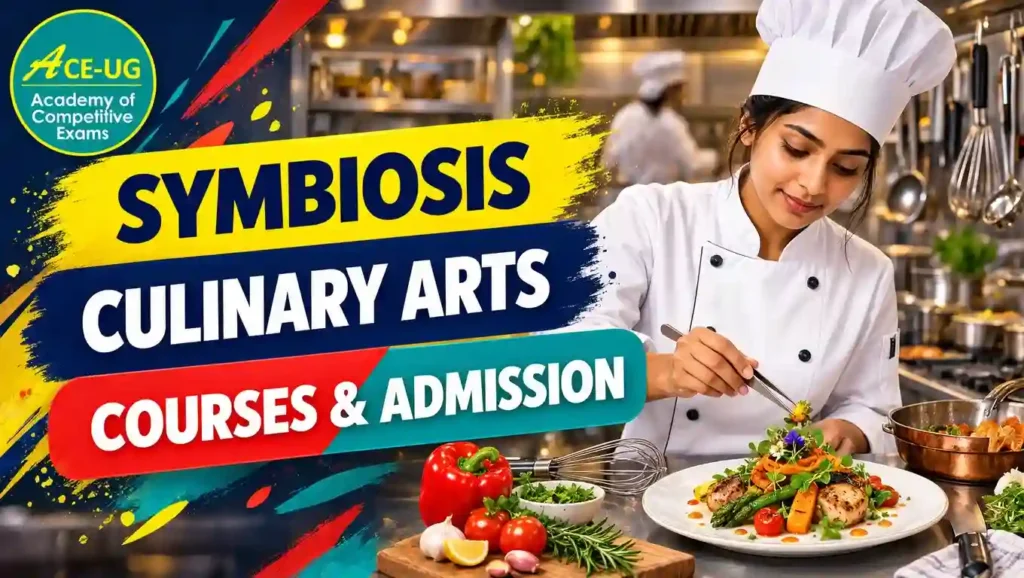
The institute focuses on practical learning, professional kitchen training and industry-oriented education. Its programmes can help students explore careers in professional cooking, food entrepreneurship, hospitality operations and other areas of the food industry.
In this guide, we cover the courses offered at Symbiosis School of Culinary Arts, eligibility requirements, admission process, career opportunities and important factors students should consider before applying.
About Symbiosis School of Culinary Arts
Symbiosis School of Culinary Arts and Nutritional Sciences is a constituent school of Symbiosis International (Deemed University). Established in 2016, the institute specialises in culinary arts and related areas of food, nutrition and hospitality education.
Its campus is located at the Symbiosis Hill Base Campus in Gram-Lavale, Pune, Maharashtra. The institute provides specialised training facilities, including professional kitchens, classrooms and other learning spaces designed to support practical and academic learning.
Students interested in culinary arts can explore professional cooking techniques, food preparation, presentation, kitchen operations and the wider business aspects of the food industry.
Official website: https://www.ssca.edu.in/
Courses Offered at Symbiosis School of Culinary Arts
SSCANS offers programmes in culinary arts and related disciplines. Course duration, eligibility and admission requirements differ by programme.
Some programmes listed on the institute’s official website include:
| Course | Duration | Suitable for |
|---|---|---|
| B.Sc. Culinary Arts | 3 years, full-time | Students interested in professional cooking and culinary careers |
| BBA (Hospitality & Culinary Management) | 4 years, full-time | Students interested in culinary operations and hospitality management |
| Diploma in Professional Culinary Skills | Programme includes in-school training and workplace internship | Students seeking focused professional cooking training |
| Diploma in Bakery and Patisserie Skills | Check the current programme availability | Students interested in baking and pastry preparation |
Students should consult the official website to confirm the availability, duration, curriculum and admission status of their preferred programme for the relevant academic year.
B.Sc. Culinary Arts at Symbiosis
The B.Sc. Culinary Arts programme is designed for students who want to develop professional culinary skills and understand the practical requirements of working in the food industry.
The programme combines culinary foundations with practical training and related academic subjects. Students can develop knowledge of food preparation, kitchen practices, cuisines, baking, food science and professional food presentation.
The course may be suitable for students who aspire to work as professional chefs, specialise in a particular cuisine or eventually establish their own food-related business.
Key Highlights
The university’s official admissions information lists the B.Sc. Culinary Arts programme as a three-year full-time undergraduate degree. Students should check the latest programme page and admission documents before applying.
Eligibility Criteria
Students planning to apply for B.Sc. Culinary Arts should review the eligibility requirements published for their admission year.
According to the university’s official undergraduate admissions information, applicants should have passed Class 12 (10+2) or an equivalent examination from a recognised board, with at least 50% marks for the listed programme.
Applicants should confirm the applicable requirements for their category and academic year directly with the university.
Who Can Apply?
The programme may be suitable for students who:
Students from different academic streams should verify the current eligibility rules rather than assume that a particular stream is compulsory.
Admission Process at Symbiosis School of Culinary Arts
Admission procedures can differ across programmes. Applicants should follow the instructions for their specific course rather than assume that all Symbiosis programmes use the same entrance examination.
For B.Sc. Culinary Arts, the institute’s published admission information describes a selection process involving a proctored and timed test followed by a personal interview. Candidates should confirm the exact assessment components and schedule for the current admission cycle.
Steps to Apply
Step 1: Visit the Official Website
Go to https://www.ssca.edu.in/ and open the page for your preferred programme.
Step 2: Check Eligibility
Review the academic qualifications, minimum marks and any other requirements applicable to your course.
Step 3: Complete the Application
Follow the official application instructions and submit the required information and documents.
Step 4: Participate in the Selection Process
Complete the prescribed assessment and personal interview, where applicable.
Step 5: Check the Selection Result
Follow the institute’s official communication for merit-list updates, admission offers and further instructions.
Step 6: Confirm Admission
Selected candidates should complete the required fee payment and document verification within the prescribed deadline.
For updated information, refer to the official B.Sc. Culinary Arts admission process.
What Do Students Learn in Culinary Arts?
Culinary education combines practical cooking techniques with an understanding of food, kitchen operations and professional standards.
Depending on the curriculum, students may study areas such as:
The precise subjects and semester-wise structure should be checked in the latest official curriculum.
Practical Training and Learning Environment
Practical experience is an important part of culinary education. Professional kitchens require students to understand not only how to prepare food but also how to work efficiently, maintain hygiene and coordinate with other kitchen staff.
SSCANS describes its facilities as including specialised training laboratories and a professional studio kitchen.
Students should consider the amount of hands-on training, the quality of kitchen facilities, industry exposure and internship arrangements when comparing culinary institutes.
A good culinary programme should help students develop practical competence alongside the discipline, teamwork and time management needed in a professional kitchen.
Career Opportunities After Culinary Arts
A culinary arts qualification can lead to several career paths across restaurants, hotels, catering businesses, food production and entrepreneurship. The roles available to graduates depend on their practical skills, experience, specialisation and employer requirements.
Potential career options include:
1. Professional Chef
Professional chefs prepare dishes, manage kitchen tasks and maintain food quality. With experience, they may progress into specialised or supervisory positions.
2. Pastry Chef or Baker
Students interested in desserts and baked products can explore careers in bakeries, hotels, restaurants, cafés and specialised pastry businesses.
3. Kitchen Supervisor
With relevant experience, culinary professionals may take responsibility for coordinating kitchen activities, maintaining standards and supporting junior staff.
4. Catering Professional
Catering businesses require trained personnel to plan and prepare food for events, corporate functions, weddings and other gatherings.
5. Food Entrepreneur
Graduates may explore ventures such as cafés, cloud kitchens, catering services, bakery businesses or specialised food brands. Entrepreneurship also requires business planning, cost control and knowledge of applicable regulations.
6. Food Content Creator
People with culinary knowledge may develop careers in recipe creation, food photography, video production, food writing and digital content.
7. Culinary Consultant
Experienced professionals may work with food businesses on menu development, kitchen processes, product development or other specialised projects.
Is Symbiosis School of Culinary Arts a Good Choice?
The right culinary institute depends on a student’s interests, budget, preferred career path and learning expectations.
Before making a decision, applicants should evaluate:
Students should also ask the institute about recent placement outcomes, internship partners and the types of roles secured by graduates. This helps them make a more informed decision than relying on general claims about career prospects.
Frequently Asked Questions (FAQs)
1. Where is Symbiosis School of Culinary Arts located?
Symbiosis School of Culinary Arts and Nutritional Sciences is located at the Symbiosis Hill Base Campus, Gram-Lavale, Pune, Maharashtra.
2. Which undergraduate culinary course does SSCANS offer?
The institute lists a three-year, full-time B.Sc. Culinary Arts programme. Applicants should check the official website for the current curriculum and admission details.
3. What is the eligibility for B.Sc. Culinary Arts at Symbiosis?
The university’s published undergraduate admissions information lists Class 12 or an equivalent qualification with a minimum of 50% marks. Applicants should verify the latest programme-specific eligibility criteria before applying.
4. Is an entrance examination required for admission?
The published admission process for B.Sc. Culinary Arts includes a proctored and timed test followed by a personal interview. Students should confirm the current selection process and dates with the institute.
5. Can students from any stream apply for culinary arts?
The university’s published eligibility information refers to Class 12 from a recognised board. Students should verify the stream-specific requirements, if any, for their admission year.
6. What career options are available after B.Sc. Culinary Arts?
Graduates may explore roles in professional kitchens, restaurants, hotels, bakeries, catering businesses, food content creation and food entrepreneurship. Career progression depends on skills and experience.
7. Does culinary arts involve practical training?
Yes. Practical learning is a key component of professional culinary education. Applicants should review the programme curriculum to understand the training structure and facilities available.
8. Where can I find official admission information?
Visit the official Symbiosis School of Culinary Arts and Nutritional Sciences website for programme details, eligibility criteria and admission updates.
Conclusion
Symbiosis School of Culinary Arts and Nutritional Sciences is an option for students interested in professional cooking, culinary education and the wider food industry. Its programmes combine culinary learning with practical training and can help students explore careers in kitchens, hospitality, baking, catering and entrepreneurship.
Before applying, students should carefully review course details, eligibility requirements, selection procedures, fees and career support. Comparing these factors with their interests and future goals can help them choose a programme that suits their aspirations.